What you will learn
- Why two patients can pay very different amounts for the same quality surgery
- What every hospital estimate must include — and what is routinely left out
- How CGHS, ECHS, and private insurance change your out-of-pocket cost
The first thing most patients ask is the number. And the number — anywhere from Rs. 2.5 lakh to Rs. 7 lakh for hip replacement in Chandigarh — does not tell you very much on its own. Two patients can pay very different amounts for surgery of comparable quality, or very similar amounts for surgery of wildly different standard.
The implant matters. The hospital matters. The surgeon’s technique matters. This guide breaks down what drives the cost, what a good estimate must include, and how to read the quote you receive.
What Drives the Cost of Hip Replacement
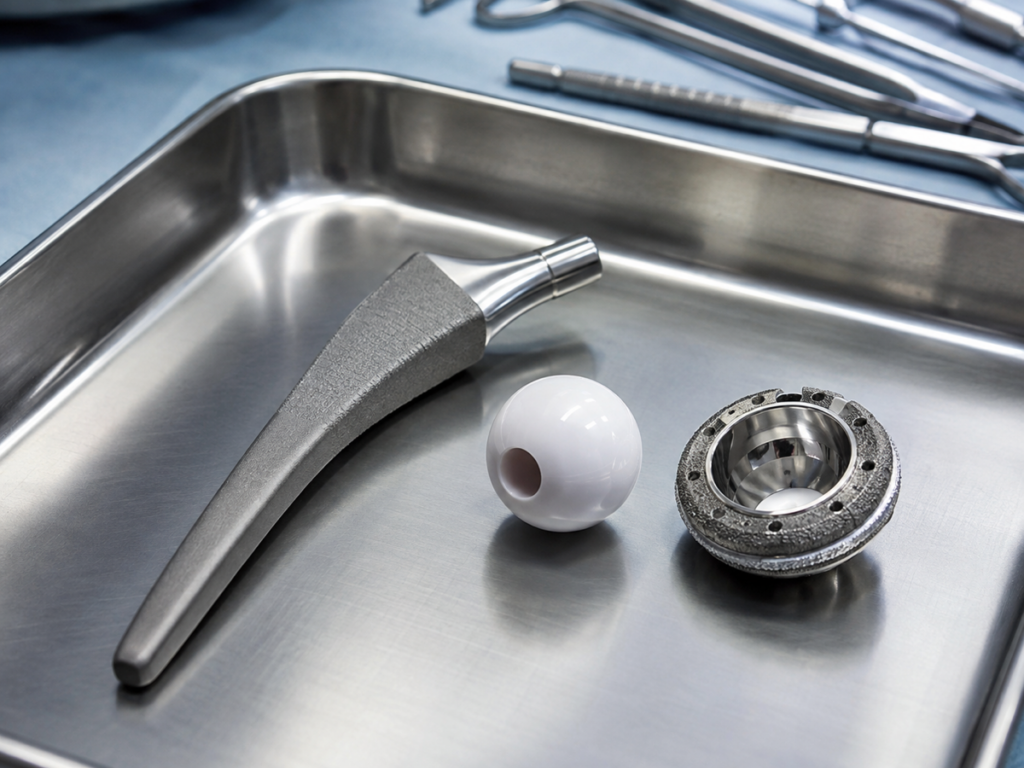
The single largest variable is the implant. Three broad categories exist in the Indian market:
- Domestic or mid-range implants: Rs. 60,000–1.2 lakh — appropriate for older, lower-activity patients
- Premium imported implants (Stryker, DePuy, Zimmer): Rs. 1.5–2.5 lakh — longer longevity data, better suited for patients under 70
- Advanced bearing surfaces (ceramic-on-ceramic, highly crosslinked polyethylene): Rs. 2.5–4 lakh for the implant alone — designed to last 25–30 years
The second major variable is the hospital facility. Costs at a tertiary multi-speciality hospital are higher than at smaller nursing homes — but so are infection control standards, ICU backup, anaesthesiology specialists, and rehabilitation infrastructure.
What a Good Quote Must Include
- Surgeon’s fee and anaesthesiologist fee
- Operation theatre charges
- Implant cost — specified by brand and type, in writing
- Hospital stay: 3–5 days including nursing and meals
- Pre-operative investigations (blood work, ECG, chest X-ray, hip X-rays)
- Post-operative physiotherapy sessions in hospital
- Dressings and routine post-operative medication
What Is Typically NOT Included
- Additional investigations — if pre-op assessment reveals cardiac issues, these are billed separately (Rs. 15,000–40,000 for older patients)
- Blood transfusion — if required, billed at blood bank rates
- Discharge medications — blood thinners, pain medication dispensed from the pharmacy are billed separately
- Post-discharge physiotherapy — typically Rs. 500–800 per session, 2–3 sessions weekly for 6–8 weeks
Want a clear, itemised estimate for your specific case and implant type?
Insurance and Government Health Schemes
Max Hospital Mohali is empanelled with CGHS, ECHS, and most major private insurance providers. For CGHS and ECHS patients, approved implant types and rates are pre-determined. Premium implants above the approved rate require you to pay the difference; the rest of the procedure remains covered.
For private insurance, confirm: whether the implant cost is sub-limited (many policies cap at Rs. 1–1.5 lakh), whether robotic-assisted surgery is covered, and the waiting period for joint conditions.
Cost Breakdown at Max Hospital Mohali
- Standard cemented or hybrid implant: Rs. 2.8 lakh – Rs. 3.8 lakh
- Premium uncemented implant (Stryker/DePuy/Zimmer): Rs. 3.5 lakh – Rs. 5 lakh
- Robotic-assisted surgery (Mako): Rs. 4 lakh – Rs. 5.5 lakh
- Ceramic-on-ceramic bearing: add Rs. 40,000–80,000
- Bilateral hip replacement (both hips, one admission): Rs. 5.5 lakh – Rs. 8 lakh
Frequently Asked Questions
Is a cheaper implant necessarily worse?
Not necessarily. Indian-manufactured implants are appropriate for older, lower-activity patients. For younger or more active patients, the longevity data on premium imported implants justifies the higher cost. Your surgeon should explain the trade-offs for your specific situation.
Does CGHS cover robotic hip replacement?
CGHS covers total hip replacement at approved rates. The robotic surcharge may or may not be covered depending on the CGHS rate at the empanelled facility. Dr. Gupta’s billing team will provide a scheme-specific estimate during consultation.
What is the out-of-pocket cost with private insurance?
With good private insurance or CGHS coverage, out-of-pocket costs can be reduced to Rs. 0–50,000 depending on sub-limits and co-pay terms. Bring your policy document to consultation and the billing team will map your specific coverage.